Introduction
An inner tube is an essential component of many vehicles, bicycles, motorcycles, and other equipment that use pneumatic tyres. Although it is often hidden inside the outer tyre, it plays a significant role in maintaining air pressure, providing stability, and ensuring a smooth and comfortable ride. Inner tubes are designed to hold compressed air, allowing tyres to maintain their shape and support the weight of vehicles and riders.
Whether you are a cyclist, motorcycle owner, vehicle enthusiast, or someone looking for reliable tyre accessories, understanding inner tubes can help you make better purchasing and maintenance decisions. Choosing the right inner tube is important because the wrong size, poor-quality material, or incorrect installation can lead to air leakage, punctures, and unexpected riding problems.
Today, inner tubes are available in different sizes, materials, thicknesses, and designs to meet the requirements of various vehicles and riding conditions. From traditional rubber inner tubes to advanced butyl and latex options, each type offers different advantages.
In this article, we will explore everything you need to know about inner tubes, including their types, materials, benefits, applications, selection tips, installation methods, and maintenance practices.
What Is an Inner Tube?
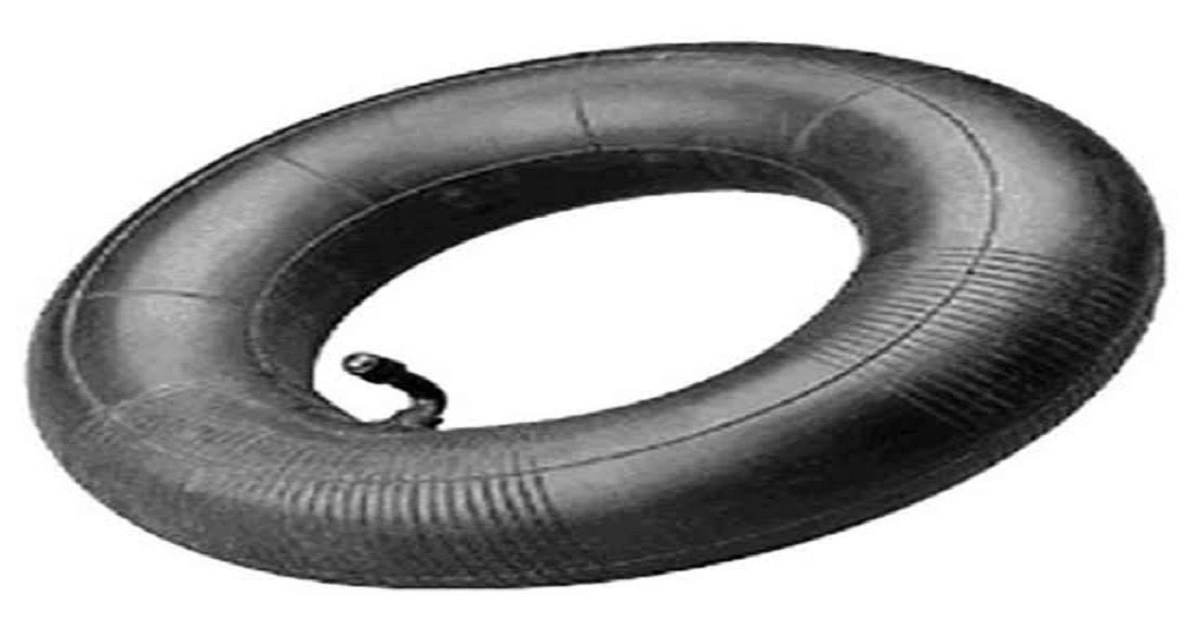
An inner tube is an inflatable, airtight ring placed inside a compatible tyre. Its primary purpose is to contain compressed air and maintain the pressure required for proper tyre performance.
Inner tubes are commonly manufactured using flexible rubber materials that can expand and contract according to air pressure. They feature a valve that allows users to inflate or deflate the tube whenever necessary.
When air is pumped into an inner tube, it expands and fills the available space inside the tyre. This creates the necessary pressure to support the vehicle’s weight and provide cushioning against bumps, uneven surfaces, and road irregularities.
Inner tubes are commonly used in:
-
Bicycles and mountain bikes
-
Motorcycles and scooters
-
Some cars and commercial vehicles
-
Agricultural machinery
-
Wheelbarrows and garden equipment
-
Certain industrial and recreational equipment
Although many modern tyres are designed to operate without inner tubes, traditional inner tubes remain popular because of their affordability, availability, and practical advantages.
Different Types of Inner Tubes
Inner tubes come in several types, each designed for specific applications and performance requirements. Understanding these options can help you select the most suitable product.
1. Butyl Rubber Inner Tubes
Butyl rubber inner tubes are among the most commonly used options in the market. They are manufactured from synthetic rubber that provides excellent air retention and flexibility.
One of their biggest advantages is their ability to maintain air pressure for extended periods. They are also relatively affordable and suitable for everyday riding.
Key benefits include:
-
Excellent air retention
-
Affordable pricing
-
Good durability
-
Resistance to moisture
-
Suitable for everyday applications
Butyl rubber inner tubes are commonly used in bicycles, motorcycles, and various other vehicles.
2. Latex Inner Tubes
Latex inner tubes are made from natural rubber and are particularly popular among performance-oriented cyclists.
They are generally lighter and more flexible than traditional butyl tubes. Their flexibility can help reduce rolling resistance, making them an attractive option for competitive cycling.
However, latex tubes typically lose air more quickly and require more frequent inflation.
Main advantages:
-
Lightweight construction
-
High flexibility
-
Potentially lower rolling resistance
-
Suitable for performance cycling
Their main disadvantage is that they require additional maintenance and careful handling.
3. Heavy-Duty Inner Tubes
Heavy-duty inner tubes are designed for demanding conditions where additional resistance to punctures and damage is desirable.
They generally feature thicker rubber walls than standard tubes. This makes them suitable for motorcycles, mountain bikes, off-road vehicles, and equipment exposed to rough surfaces.
Some heavy-duty models are designed specifically for agricultural or industrial applications.
Important features include:
-
Thicker rubber construction
-
Increased resistance to certain punctures
-
Better suitability for demanding environments
-
Designed for specific heavy-duty applications
However, a thicker tube does not guarantee complete puncture protection. Proper tyre selection and inflation remain important.
4. Standard Bicycle Inner Tubes
Standard bicycle inner tubes are designed for everyday bicycles used for commuting, recreational cycling, and general transportation.
They are available in different diameters and widths to fit various bicycle tyres.
When purchasing a bicycle inner tube, it is important to check the tyre measurements and valve type.
5. Motorcycle Inner Tubes
Motorcycle inner tubes are specifically designed to fit compatible motorcycle tyres. They are generally stronger than many standard bicycle tubes because motorcycles carry greater loads and operate at different speeds and pressures.
These tubes are available in different sizes for scooters, commuter motorcycles, and off-road motorcycles.
Selecting the correct motorcycle inner tube is essential for maintaining safe riding conditions.
Common Materials Used in Inner Tubes
The material used in an inner tube directly affects its flexibility, durability, air retention, and overall performance.
Natural Rubber
Natural rubber is known for its elasticity and flexibility. It can stretch and return to its original shape, making it useful for different inner tube applications.
However, natural rubber may require additional protection against environmental factors such as ozone, heat, and ageing.
Synthetic Butyl Rubber
Butyl rubber is widely used because of its excellent ability to retain air. It has low gas permeability, meaning air escapes through the material relatively slowly.
This makes it a practical choice for people who want an inner tube that does not require frequent inflation.
Latex Rubber
Latex rubber offers excellent flexibility and a lightweight construction. It is often selected for performance cycling, where reducing weight and rolling resistance can be important.
However, latex tubes usually need more frequent air-pressure checks.
Benefits of Using a Quality Inner Tube
Choosing a good-quality inner tube provides several advantages. Although it may seem like a small component, it has an important influence on tyre performance and riding comfort.
1. Maintains Proper Air Pressure
The primary function of an inner tube is to hold compressed air. Maintaining the correct pressure helps tyres support weight and perform as intended.
Proper inflation also reduces the likelihood of problems caused by excessive tyre deformation.
2. Improves Riding Comfort
An appropriately inflated tyre provides cushioning against road imperfections.
The inner tube helps maintain the tyre’s shape, allowing the tyre to absorb some of the impact from bumps and uneven surfaces.
3. Supports Better Stability
Correct tyre pressure helps maintain a suitable contact area between the tyre and the road.
This contributes to predictable handling, stability, and control.
4. Affordable Replacement
Compared with replacing an entire compatible tyre assembly, replacing a damaged inner tube is often a more economical solution.
This makes inner tubes a convenient option for many bicycle and motorcycle owners.
5. Easy Maintenance
Most conventional inner tubes can be inspected, inflated, removed, and replaced using basic tools.
Small punctures can sometimes be repaired with an appropriate patch kit, depending on the tube’s condition and the manufacturer’s recommendations.
How to Choose the Right Inner Tube
Selecting the correct inner tube is essential for compatibility, safety, and performance. Before purchasing one, consider the following factors.
Check the Correct Size
The most important factor is the inner tube size.
Every tube is designed to fit a particular range of tyre dimensions. These measurements are generally printed on the tyre sidewall.
For example, bicycle tyres may display measurements such as 26 inches, 27.5 inches, or 29 inches. Motorcycle tyres use different measurement systems depending on their design.
Always check the manufacturer’s sizing recommendations before purchasing.
Consider the Valve Type
Inner tubes are available with different valve designs.
Common valve types include:
-
Schrader valve: A wider valve commonly found on many bicycles and motorcycles.
-
Presta valve: A narrow valve commonly used on road and performance bicycles.
-
Dunlop valve: A valve design found on certain traditional bicycles.
The valve must be compatible with the wheel rim and inflation equipment.
Choose the Right Material
Consider your riding requirements when selecting an inner tube material.
Butyl rubber is a practical choice for everyday use because of its air retention and affordability. Latex is suitable for certain performance cycling applications, while heavy-duty rubber tubes may be appropriate for demanding conditions.
Consider Your Riding Environment
Your riding environment can influence the type of inner tube you need.
For example, people who frequently ride on rough roads may prefer a compatible heavy-duty option. Road cyclists may prioritize lightweight materials, while everyday commuters may prefer affordable and reliable butyl tubes.
Check Product Quality
Always purchase inner tubes from reliable manufacturers or trusted sellers.
Look for consistent rubber thickness, a properly manufactured valve, suitable sizing, and clear product specifications.
Avoid products that show visible damage, cracks, or manufacturing defects.
How to Install an Inner Tube
Installing an inner tube is a relatively straightforward task when performed carefully. However, incorrect installation can cause pinching, punctures, or other tyre problems.
Follow these general steps:
Step 1: Remove the Wheel
Remove the wheel according to the vehicle or bicycle manufacturer’s instructions. Make sure the vehicle is stable before starting.
Step 2: Deflate the Old Tube
If the old inner tube still contains air, release it through the valve.
Step 3: Remove the Tyre
Use suitable tyre levers to carefully separate the tyre bead from the rim.
Step 4: Inspect the Tyre
Before installing a replacement, inspect the inside of the tyre for sharp objects, glass, nails, or other materials that may cause another puncture.
Step 5: Insert the New Inner Tube
Slightly inflate the new tube so that it takes shape. Place it carefully inside the tyre and position the valve through the rim opening.
Step 6: Refit the Tyre
Carefully fit the tyre bead back onto the rim, making sure the inner tube is not trapped between the tyre and rim.
Step 7: Inflate and Inspect
Inflate the tyre according to the recommended pressure specifications. Check that the tyre is seated evenly and that there are no signs of air leakage.
For motorcycle and vehicle applications, follow the manufacturer’s service instructions or consult a qualified technician.
Common Inner Tube Problems and Their Solutions
Even high-quality inner tubes can develop problems over time. Understanding common issues can help prevent unnecessary replacements.
Punctures
Punctures are among the most common inner tube problems. They can occur when sharp objects penetrate the tyre and damage the tube.
Solution: Inspect the tyre carefully, remove the source of the puncture, and repair or replace the damaged tube.
Slow Air Leakage
An inner tube may gradually lose pressure because of a small puncture, a damaged valve, or material deterioration.
Solution: Check the valve and inspect the tube for leaks. Use an appropriate repair method or replace the tube if necessary.
Pinched Inner Tubes
Pinching can happen when an inner tube becomes trapped between the tyre and rim during installation.
Solution: Ensure that the tube is correctly positioned before fully inflating the tyre.
Valve Damage
The valve may become damaged due to improper inflation, corrosion, or mechanical stress.
Solution: Inspect the valve regularly and replace the inner tube if the valve cannot be repaired safely.
Ageing and Cracking
Over time, rubber can become less flexible and develop cracks because of heat, sunlight, and environmental exposure.
Solution: Store spare tubes in a cool, dry location and replace tubes showing signs of deterioration.
Tips for Maintaining Your Inner Tube
Proper maintenance can increase the service life of an inner tube and reduce the risk of unexpected problems.
Here are some useful maintenance tips:
-
Check tyre pressure regularly.
-
Use the pressure range recommended by the tyre manufacturer.
-
Inspect tyres for sharp objects and visible damage.
-
Avoid riding with excessively low tyre pressure.
-
Check the valve for leakage or damage.
-
Replace severely damaged or ageing inner tubes.
-
Use compatible tyres, rims, and inner tubes.
-
Store unused tubes away from direct sunlight and excessive heat.
Regular inspections are especially important for motorcycles and bicycles used daily.
Inner Tube vs Tubeless Tyres: What Is the Difference?
Inner tube and tubeless tyre systems both serve the purpose of maintaining air pressure, but they work differently.
An inner tube system uses a separate inflatable rubber tube placed inside the tyre. A tubeless system holds air directly between the tyre and a compatible airtight rim.
|
Feature |
Inner Tube Tyre |
Tubeless Tyre |
|---|---|---|
|
Air storage |
Separate inner tube |
Inside the tyre |
|
Construction |
Tube and tyre |
Airtight tyre and rim system |
|
Maintenance |
Tube inspection and replacement |
Tyre and seal inspection |
|
Puncture repair |
Often requires tube repair or replacement |
Some punctures can be repaired without removing the tyre |
|
Cost |
Often economical |
Can have a higher initial cost |
|
Compatibility |
Requires a suitable tube and tyre |
Requires a compatible tubeless system |
Neither system is automatically better for every application. The right choice depends on vehicle compatibility, riding conditions, maintenance preferences, and budget.
Conclusion
An inner tube is a small but essential component that plays an important role in maintaining tyre pressure, stability, comfort, and overall performance. Whether used in bicycles, motorcycles, or other compatible equipment, choosing the correct inner tube can help reduce maintenance problems and improve everyday reliability.
There are different types of inner tubes available, including butyl rubber, latex, standard, and heavy-duty options. Each type offers specific advantages depending on the application and operating conditions.
When purchasing an inner tube, always consider the correct size, valve type, material, product quality, and intended use. Regular maintenance, proper inflation, and careful installation can also help extend its lifespan.
Ultimately, investing in a reliable inner tube is a practical way to maintain tyre performance and enjoy a safer, smoother, and more comfortable riding experience.