Introduction
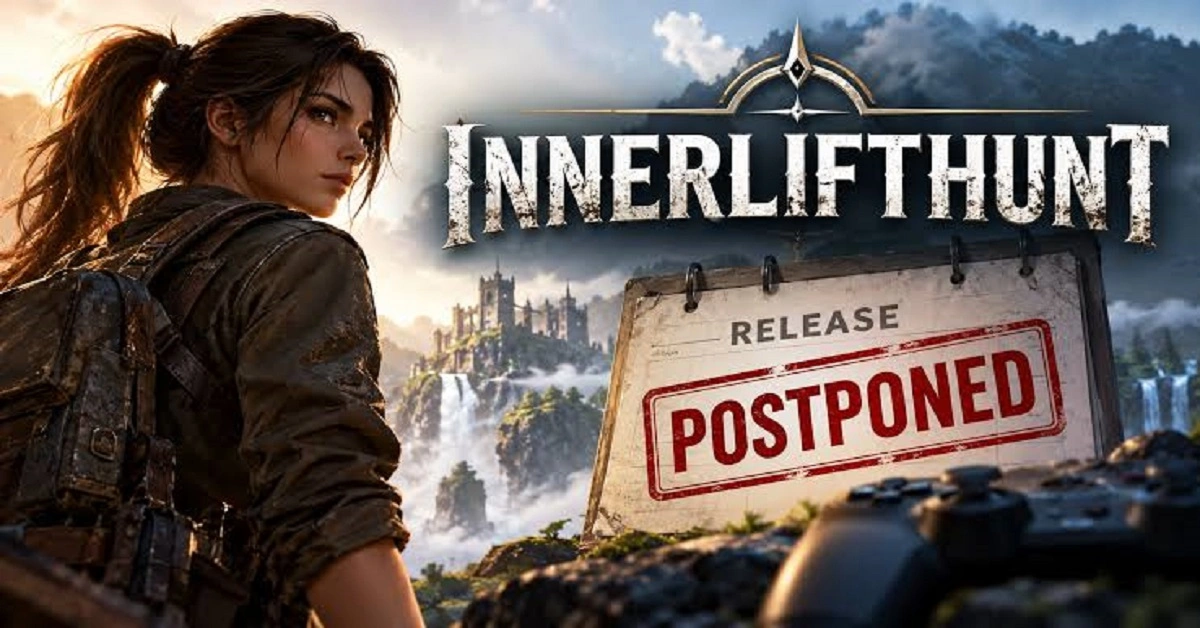
In the modern video game industry, release delays have become more of a standard practice than an exception. From massive AAA studios to small independent creators, development teams regularly push back their initial deadlines to ensure their projects meet player expectations. However, few recent delays have generated as much confusion, debate, and mystery within the gaming community as the postponement of Innerlifthunt.
Initially scheduled to captivate audiences with its unique premise, the timeline surrounding Innerlifthunt has become a puzzle of conflicting information, unverified reports, and speculative theories. For players eagerly waiting to dive into the game, the ongoing delays raise significant questions: What is actually happening behind the scenes, and why has the definitive launch remained so elusive?
To fully understand the situation, we must examine the messy timeline, the mechanical hurdles of indie game development, and the industry-wide trends that force ambitious titles to take more time in the oven.
The Conflicting Timeline: A Source of Community Confusion
The primary reason Innerlifthunt has sparked so much discussion is the sheer lack of consistency in its public release history. Unlike mainstream gaming delays—where a studio releases a clear, formal statement across social media channels—the documentation surrounding Innerlifthunt consists of highly contradictory narratives.
According to factual deep-dives into the game’s media footprint, different publications and retail listings tell completely incompatible stories:
- The Alleged 2024 Launch: Some early articles and regional archival records claim that the game actually saw a limited or soft launch as early as March 2024.
- The Q1 2025 Postponement: Concurrently, a separate wave of reports pointed to a major delay, explicitly stating that the core release had been shifted to the first quarter of 2025.
- The Ongoing Pre-order Limbo: To complicate matters further, various digital pre-order pages and promotional marketing materials have continued to address eager audiences as if the primary, widespread launch is still several months away.
Because these reports often fail to provide official evidence explaining the shifting dates, the community has been left to untangle whether these delays apply to different gaming platforms, separate regional rollouts, or completely overhauled development builds.
Technical Obstacles in Modern Game Design
While the public relations side of Innerlifthunt remains vague, the technical realities of building a modern video game offer a highly logical explanation for its postponement. Game development is an incredibly fragile process where a single change to a line of code can break entirely unrelated systems.
For a game trying to establish a unique identity, several critical technical factors frequently trigger extended delays:
1. Optimization and Cross-Platform Stability
If a game is slated for a multi-platform release (such as PC, PlayStation, Xbox, or Nintendo Switch), optimization becomes a monumental task. A build that runs perfectly at 60 frames per second on a high-end gaming PC might suffer from severe frame drops, crashes, or memory leaks when ported to a home console. Developers often choose to postpone a launch rather than release a poorly optimized version that ruins their studio’s reputation on day one.
2. Mechanical Polish and Bug Squashing
In an era where day-one patches can sometimes weigh as much as the game itself, studios face immense pressure to deliver a stable product. Serious bugs—such as corrupted save files, game-breaking collision errors, or broken progression tracking—require hundreds of hours of quality assurance (QA) testing to identify and resolve. If internal playtesting reveals that the core gameplay loop feels unpolished, delaying the game is the only viable path to saving it from negative reviews.
3. Scope Creep
“Scope creep” happens when developers gradually add new features, larger environments, or more complex mechanics during the production cycle. A project that started with a modest scope can easily balloon into a massive undertaking that demands an extra year of development time.
The Reality of Independent and Experimental Projects
If Innerlifthunt falls under the umbrella of independent or smaller-scale productions, the challenges multiply exponentially. Independent studios do not possess the near-infinite financial safety nets or massive workforce assets of industry giants.
For indie developers, a postponement is often a stressful, last-resort decision driven by core resource limitations:
- Small Team Dynamics: In a massive studio, losing a single programmer to illness or burnout barely impacts the timeline. In a small team, losing a lead developer or primary animator can halt progress entirely for weeks.
- Funding and Publisher Pressures: Indie developers frequently rely on dynamic funding milestones from publishers or crowdfunding platforms.
- Evolving Creative Vision: Indie games are often passion projects. If the creators feel the game lacks the emotional impact or distinctive flair they originally envisioned, they will fight for extra time to rework narrative elements or art styles, choosing creative integrity over strict deadlines.
The “Cyberpunk Effect”: Why Rushing is No Longer an Option
The broader gaming landscape has also heavily influenced why games like Innerlifthunt choose to take their time. Over the past several years, the industry has witnessed high-profile disasters where highly anticipated games were rushed to meet rigid release dates, resulting in unplayable, bug-ridden launches that severely damaged famous brands.
This has created what industry analysts call a culture of caution. Studios have realized that consumers are far more likely to forgive a delayed game than a broken one. As legendary game designer Shigeru Miyamoto famously noted, “A delayed game is eventually good, but a rushed game is forever bad.”
By choosing to postpone, the team behind Innerlifthunt minimizes the risk of a disastrous launch, ensuring that when the game finally does drop, it is judged on its artistic merit and entertainment value rather than its technical failures.
What Fans and Pre-order Holders Should Do Next
For players caught in the middle of the Innerlifthunt postponement confusion, navigating the lack of clear updates can be frustrating. However, there are a few practical steps fans can take to stay informed without falling victim to internet rumors:
- Rely Only on Verified Channels: Avoid trusting speculative forums or random retail placeholder dates. Keep an eye out for verified press releases, official developer blogs, or direct updates from verified studio social media accounts.
- Understand Placeholder Dates: Digital storefronts frequently use default “placeholder” dates (like December 31st) to allow pre-orders to remain active when a game is delayed. If you see a sudden, unannounced release date online, verify it against the developer’s official channels first.
- Exercise Patience with the Creative Process: Ultimately, a delay is a sign that the developers care about the quality of their work. Giving the team the space to properly polish the title ensures a much better experience for the players in the long run.
Conclusion
The mystery of why the why innerlifthunt game postponed ultimately traces back to a combination of inconsistent public communication, complex technical hurdles, and the uncompromising nature of modern game development. While the overlapping timelines and contradictory launch reports have left the gaming community searching for concrete answers, the underlying truth is a familiar one in the digital age: creating a memorable, functional video game requires time, stability, and patience.
Until the development team provides a unified, transparent road map, fans can rest assured that the delay is likely an effort to rescue the project from technical pitfalls and deliver the polished, engaging experience that players are waiting for.