Introduction
The gaming industry is no stranger to delays. In recent years, players have learned that a announced release date is rarely written in stone. However, when the highly anticipated title why innerlifthunt game postponed was officially postponed, it sent shockwaves through the indie and psychological thriller gaming communities. Fans who were eagerly waiting to dive into its cryptic atmosphere, deep puzzle mechanics, and dark lore were left asking one fundamental question: Why was Innerlifthunt postponed?
Behind every game delay lies a complex web of technical hurdles, creative shifts, administrative roadblocks, and the ultimate pursuit of perfection. This 1500-word comprehensive deep dive explores the core reasons behind the postponement of Innerlifthunt, how modern game development challenges affect indie studios, and what this delay means for the game’s ultimate quality and release.
1. The High Expectations Surrounding Innerlifthunt
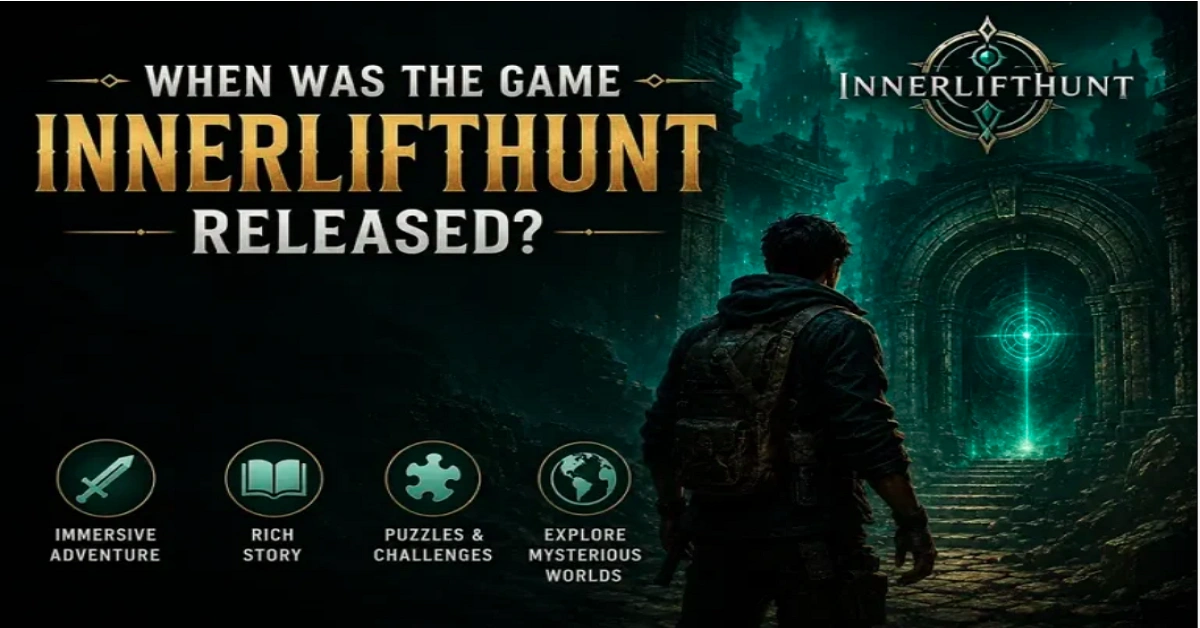
Before analyzing the postponement, it is essential to understand why innerlifthunt game postponed generated such massive hype. Announced as an innovative psychological survival game, why innerlifthunt game postponed promises to combine deep player introspection with complex environmental puzzle-solving.
Unlike mainstream action-heavy titles, Innerlifthunt targets a specialized niche: gamers who crave environmental storytelling, atmospheric tension, and philosophical depth. Early trailers and developer journals showcased stunning, surreal art direction, leading many critics to compare its potential impact to legendary puzzle platformers like Limbo and Inside.
When a project carries this level of artistic and structural ambition, the margin for error is razor-thin. Minor bugs or unpolished narrative sequences can entirely break the immersion, making a delay not just a choice, but an absolute necessity for the studio.
2. Technical Hurdles: Engine Optimization and Multi-Platform Scaling
One of the primary technical reasons behind the postponement of Innerlifthunt stems from engine stability and optimization.
[Game Engine Mechanics] ---> [Multi-Platform Porting Bugs] ---> [Decision to Postpone]
The Complexity of Real-Time Atmospheric Rendering
Innerlifthunt relies heavily on dynamic lighting, shifting volumetric shadows, and psychological visual triggers that change based on user choices. Implementing these mechanics requires a high level of optimization to ensure smooth frame rates across different hardware profiles, from high-end PC rigs to home consoles.
During internal testing phases, developers reportedly faced unexpected performance degradation, particularly in rendering complex geometric structures. Rather than releasing a choppy, poorly optimized version that would attract negative reviews, the studio made the strategic call to push back the launch to fine-tune the core software code.
The Challenge of Multi-Platform Launching
Simultaneous multi-platform releases are incredibly difficult for mid-sized and independent studios. Code that operates perfectly on a PC can trigger game-crashing errors when compiled for consoles like the PlayStation 5, Xbox Series X, or Nintendo Switch. Ensuring feature parity—meaning every player gets the exact same high-quality visual and gameplay experience regardless of their machine—demands hundreds of extra hours of rigorous Quality Assurance (QA) testing.
3. Creative Redesign: Polishing the Lore and Core Narrative
In games focused on mystery and hunting for internal psychological truths, the narrative structure acts as the backbone. If the story feels disconnected, or if the puzzles feel like arbitrary roadblocks rather than organic extensions of the plot, player immersion immediately shatters.
Reworking the “Inner Hunt” Mechanics
According to developer insights shared prior to the delay, the core mechanic—the “Inner Hunt,” where players track manifestations of psychological concepts—was undergoing a significant design evolution. Internal alpha testers found that certain mid-game levels felt repetitive and lacked the gripping emotional tension present in the opening chapters.
Game director notes indicated that the team decided to use the extra time provided by the postponement to:
- Rewrite key narrative arcs: Deepening the emotional payoff of the final chapters.
- Redesign stagnant puzzles: Replacing tedious backtracking elements with smarter, lore-driven environmental challenges.
- Enhance the audio landscape: Re-recording portions of the ambient soundtrack and voiceovers to elevate the psychological tension.
4. The Modern Gaming Ecosystem: Avoiding the “Launch Day Disaster”
The modern video game industry has changed dramatically over the last decade. In the past, companies frequently rushed broken, unfinished products to store shelves, relying on massive day-one patches to fix core issues. However, modern gamers are far less forgiving of this practice.
The Phantom of Bad Public Relations
High-profile industry failures have served as cautionary tales for studios worldwide. A botched launch can permanently damage a studio’s reputation, ruin player trust, and decimate long-term digital sales. For a growing title like Innerlifthunt, a single wave of negative user reviews on platforms like Steam or Epic Games Store could completely sink the franchise before it even gets off the ground.
By proactively choosing to postpone the game, the publishers of Innerlifthunt demonstrated a commitment to long-term quality over short-term financial gains. It sends a message to the community that the developers value their art and respect the player’s hard-earned money.
5. Comparative Analysis: Rush to Market vs. Strategic Postponement
To better understand why game postponements are generally a positive indicator for final product quality, let’s look at how a rushed development cycle compares to a extended, patient development timeline:
| Aspect | The Rushed Release Approach | The Strategic Postponement (Innerlifthunt) |
|---|---|---|
| Launch Day Stability | High risk of game-breaking bugs, crashes, and poor frame rates. | Smooth performance, fully optimized code, and minimized crashes. |
| Critical Reception | Mixed or overwhelmingly negative reviews focusing on technical failures. | Higher probability of strong critical acclaim and award nominations. |
| Player Immersion | Interrupted by glitches, unpolished textures, and broken mechanics. | Seamless, deeply immersive atmosphere as intended by the creators. |
| Long-Term Revenue | Sharp drops in sales after initial refund requests and bad word-of-mouth. | Sustained long-term sales through word-of-mouth and DLC opportunities. |
| Studio Morale | High burnout (“crunch culture”) trying to fix a broken live game under immense pressure. | Managed, structured schedule focused on deliberate polish and quality. |
6. Studio Resource Management and Workforce Well-being
An often overlooked but highly vital component of modern game development is human capital. The historical culture of “crunch”—forcing development teams to work 80-hour weeks under extreme stress to meet strict deadlines—is facing massive backlash across the tech sector.
Independent and mid-tier studios recognize that burning out their primary creative talent results in a lower-quality final product. Pushing the release date of Innerlifthunt allows the engineering, design, and art teams to operate within a sustainable, creative environment. When developers are given the mental breathing room to solve complex coding bugs and write intricate story branches, that passion directly translates into a beautiful, memorable player experience.
7. The Road Ahead: What Should Fans Expect Next?
While waiting for a delayed game can be frustrating, history proves that patience pays off. Titles that took extra time in development frequently go on to become timeless masterpieces that define their respective genres.
Official Update Schedules and Beta Access
As the extended development phase continues, fans should look forward to more frequent transparency updates from the studio. Developers often utilize the post-postponement period to release:
- Developer Diaries (DevLogs): Behind-the-scenes videos explaining the exact visual and mechanical upgrades made during the delay.
- Community Playtests / Closed Betas: Allowing a select group of dedicated fans to test the optimized code and provide vital, real-world feedback.
- Polished Teaser Trailers: Showcasing the drastic visual leaps achieved through the engine optimization phase.
Conclusion: A Delay is Temporary, a Great Game is Forever
The postponement ofwhy innerlifthunt game postponed might feel like a disappointing setback in the short term, but it is undoubtedly the correct decision for the game’s long-term legacy. By tackling complex technical optimization hurdles head-on, refining the core psychological narrative, protecting their development workforce from extreme burnout, and refusing to succumb to the pressure of a rushed release date, the creators are ensuring that Innerlifthunt will live up to its immense potential.
When the curtains finally pull back and the game officially launches, players won’t remember the months they spent waiting—they will only remember the unforgettable, hauntingly beautiful experience of the game itself.